The Agra Fort, a UNESCO World Heritage Site, stands as a powerful symbol of Mughal authority and architectural brilliance. Located on the banks of the Yamuna River in Agra, this massive red sandstone fortress served as the main residence of Mughal emperors for several generations. Rich in history, legends, and stunning structures, Agra Fort is one of India’s most important historical monuments.
History of Agra Fort
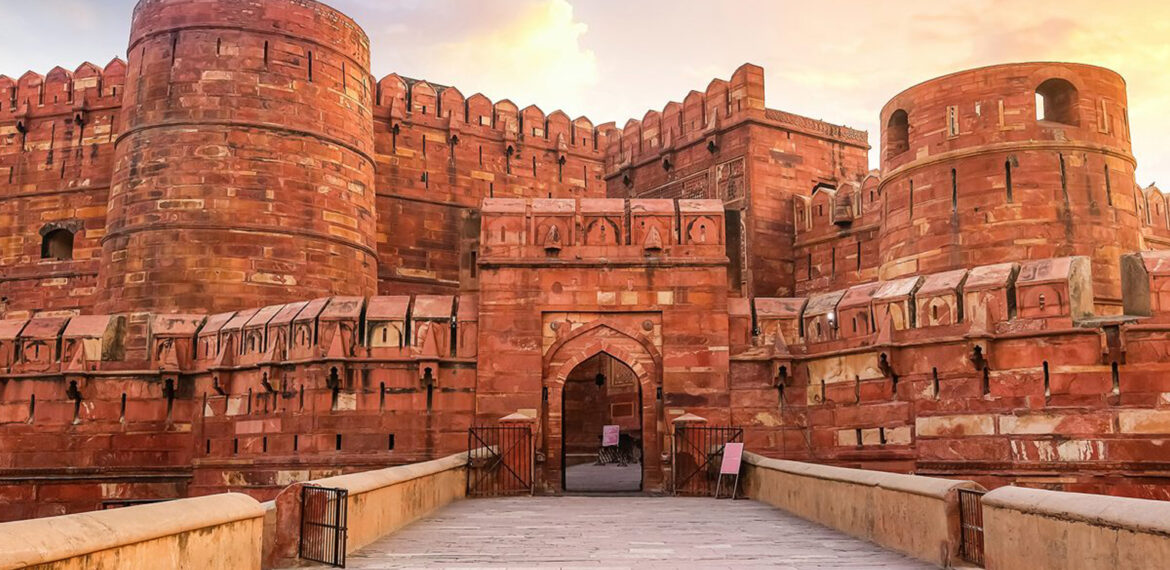
Although Agra Fort existed as a mud fort during the reign of the Lodi dynasty, it gained its present grandeur under Emperor Akbar in 1565. Akbar rebuilt the fort using red sandstone and transformed it into a grand military and administrative complex.
Later Mughal rulers, including Jahangir, Shah Jahan, and Aurangzeb, added marble palaces, mosques, and gardens. Agra Fort remained the Mughal capital until 1638, when Shah Jahan shifted the capital to Delhi.
Architectural Grandeur
Agra Fort beautifully blends Islamic, Persian, and Hindu architectural styles. Surrounded by massive walls stretching over 2.5 kilometers, the fort contains a remarkable collection of palaces, halls, and courtyards.
Major architectural highlights include:
- Amar Singh Gate – The main entrance to the fort
- Diwan-i-Aam – Hall of Public Audience
- Diwan-i-Khas – Hall of Private Audience
- Jahangiri Mahal – One of the earliest Mughal palaces
- Khas Mahal – Shah Jahan’s marble palace
- Sheesh Mahal – Palace of Mirrors with intricate glass work
- Musamman Burj – An octagonal tower with a view of the Taj Mahal
Shah Jahan’s Imprisonment
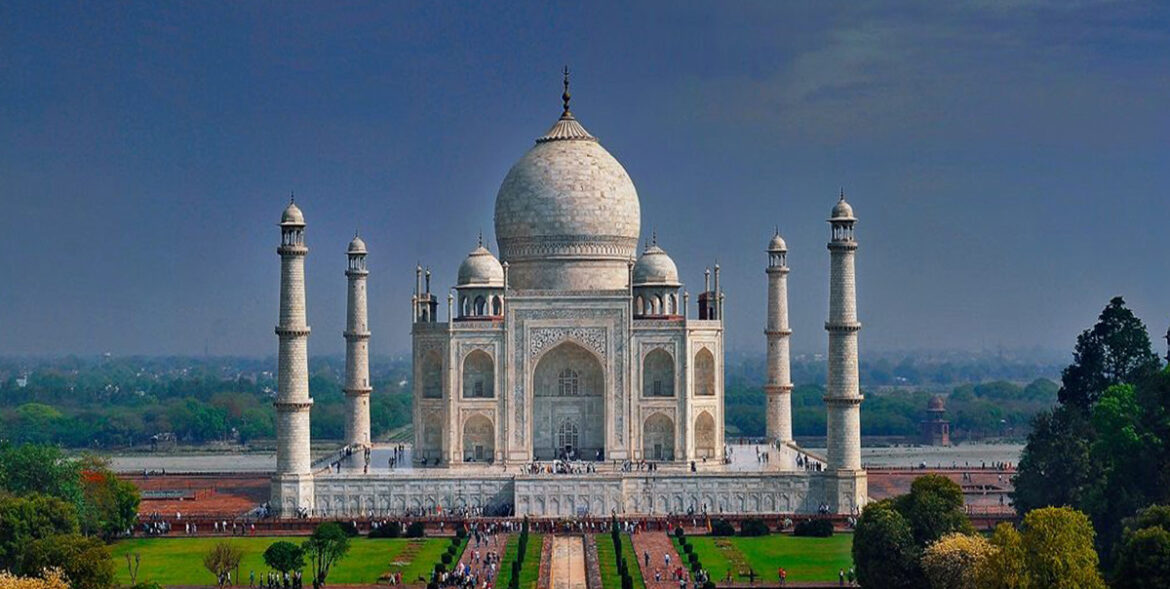
One of the most emotional chapters in the fort’s history is the imprisonment of Emperor Shah Jahan by his son Aurangzeb. Shah Jahan spent the last years of his life confined in the Musamman Burj, gazing at the Taj Mahal, the final resting place of his beloved wife Mumtaz Mahal.
Strategic Importance
Agra Fort was not only a royal residence but also a powerful military base. Its double walls, massive gateways, and defensive structures made it nearly invincible. The fort played a key role during various battles, including the Mughal-Maratha conflicts and later during British rule.
UNESCO World Heritage Site
In 1983, Agra Fort was declared a UNESCO World Heritage Site for its outstanding universal value and exceptional preservation of Mughal architecture.
Agra Fort Today
Today, Agra Fort is one of the most visited monuments in India and a key attraction for tourists visiting Agra along with the Taj Mahal. Visitors can explore its grand halls, admire intricate marble work, and enjoy panoramic views of the Yamuna River and Taj Mahal.
Conclusion
Agra Fort is more than just a fortress—it is a living chronicle of Mughal history, power, and artistry. From grand imperial courts to silent prison chambers, every corner of the fort tells a story. A visit to Agra is truly incomplete without exploring the majestic Agra Fort and experiencing the legacy of the Mughal Empire.