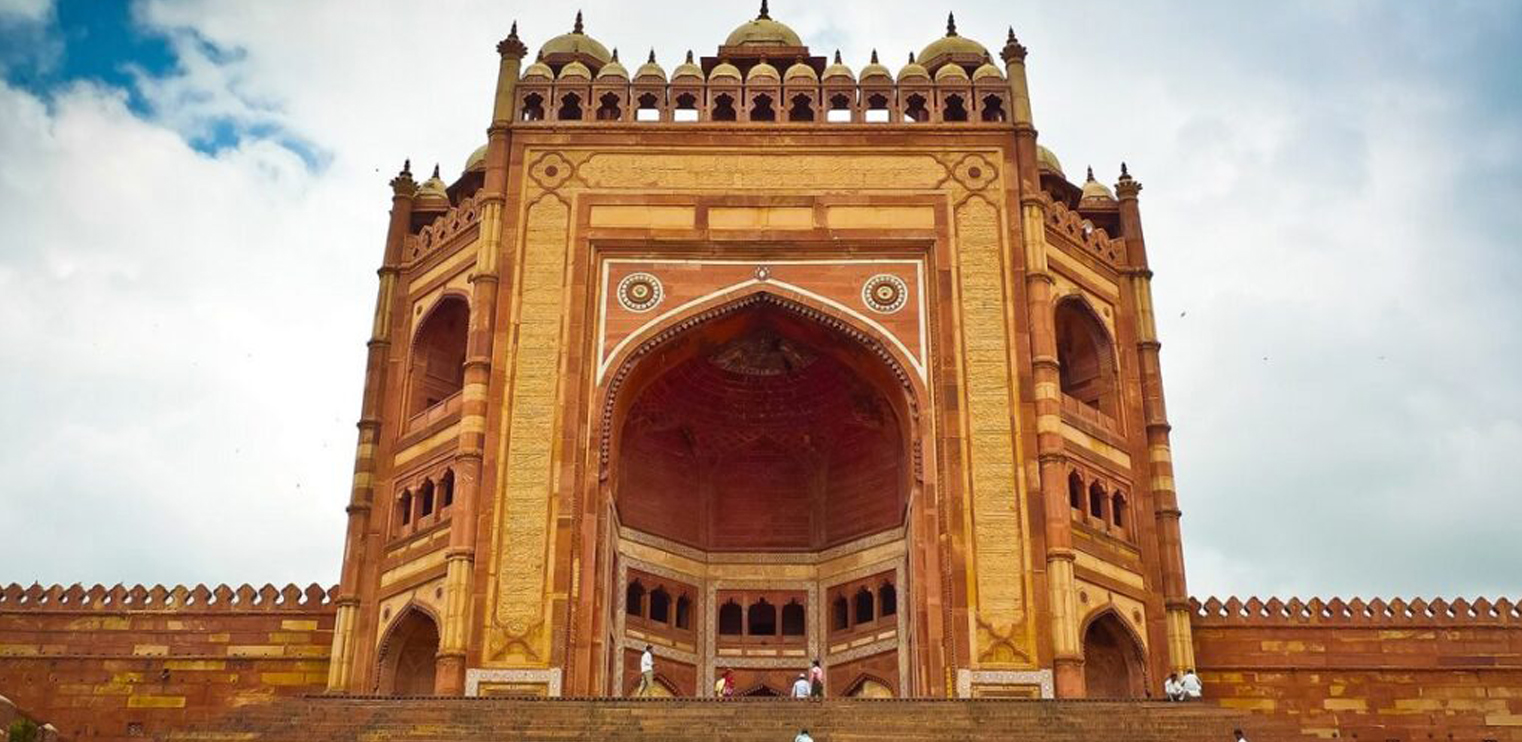
Fatehpur Sikri is one of the most fascinating historical sites in India, located about 40 kilometers from Agra in Uttar Pradesh. Once the grand capital of the Mughal Empire, Fatehpur Sikri stands today as a beautifully preserved ghost city that reflects the architectural brilliance and political ambition of Emperor Akbar.
The History of Fatehpur Sikri
Fatehpur Sikri was founded in 1571 by Emperor Akbar, the third Mughal ruler of India. The city was built to honor the revered Sufi saint Sheikh Salim Chishti, who had predicted the birth of Akbar’s heir, Prince Salim (later Emperor Jahangir).
The name Fatehpur means “City of Victory,” commemorating Akbar’s successful military campaigns in Gujarat. For nearly 14 years, Fatehpur Sikri served as the capital of the Mughal Empire and a center of administration, culture, and religion.
Despite its grandeur, the city was abandoned around 1585, primarily due to water shortages and Akbar’s strategic shift toward the northwest to counter military threats.
Architectural Excellence of Fatehpur Sikri
Fatehpur Sikri is a stunning example of Indo-Islamic Mughal architecture, blending Persian, Islamic, and Hindu design elements. Unlike many Mughal monuments built in marble, Fatehpur Sikri is primarily constructed from red sandstone, giving it a bold and majestic appearance.
Notable architectural highlights include:
- Buland Darwaza – One of the tallest gateways in the world, built to celebrate Akbar’s victory over Gujarat.
- Jama Masjid – A grand mosque and one of the largest in India.
- Tomb of Sheikh Salim Chishti – A white marble shrine known for its intricate lattice (jali) work.
- Diwan-i-Khas – Famous for its central pillar with elaborate carvings.
- Diwan-i-Aam – The hall where the emperor addressed the public.
- Panch Mahal – A five-storey palace designed for relaxation and entertainment.
- Jodha Bai’s Palace – The largest residential palace, reflecting strong Hindu architectural influences.
Cultural and Religious Significance
Fatehpur Sikri represents Akbar’s vision of religious harmony. The complex reflects his policy of Sulh-e-Kul (universal tolerance), bringing together elements of Islam, Hinduism, Jainism, and Persian traditions.
The Tomb of Sheikh Salim Chishti remains a place of deep spiritual importance. Even today, visitors tie threads to the marble screens, believing their wishes will be fulfilled.
Why Fatehpur Sikri Was Abandoned
Despite its magnificence, Fatehpur Sikri was short-lived. Historians believe the main reasons for abandonment were:
- Severe water scarcity
- Strategic military concerns
- Akbar’s need to focus on campaigns in the northwest
The city was not destroyed but simply left behind, which is why many of its structures remain remarkably intact.
UNESCO World Heritage Site
In 1986, Fatehpur Sikri was designated a UNESCO World Heritage Site for its outstanding architectural and historical value. Today, it is one of the best-preserved Mughal complexes in India and a must-visit destination for history lovers.
Fatehpur Sikri Today
Fatehpur Sikri continues to attract travelers from around the world, especially those visiting Agra and the Taj Mahal. The site offers a deep insight into Mughal life, governance, and artistic achievement during Akbar’s reign.
Conclusion
Fatehpur Sikri is more than just an abandoned city—it is a timeless reminder of Mughal grandeur, visionary leadership, and architectural mastery. Walking through its courtyards and palaces feels like stepping back into history, making it an unforgettable experience for every traveler.
